Core IT systems are the backbone of any organization, providing stability, security, and essential functionalities.
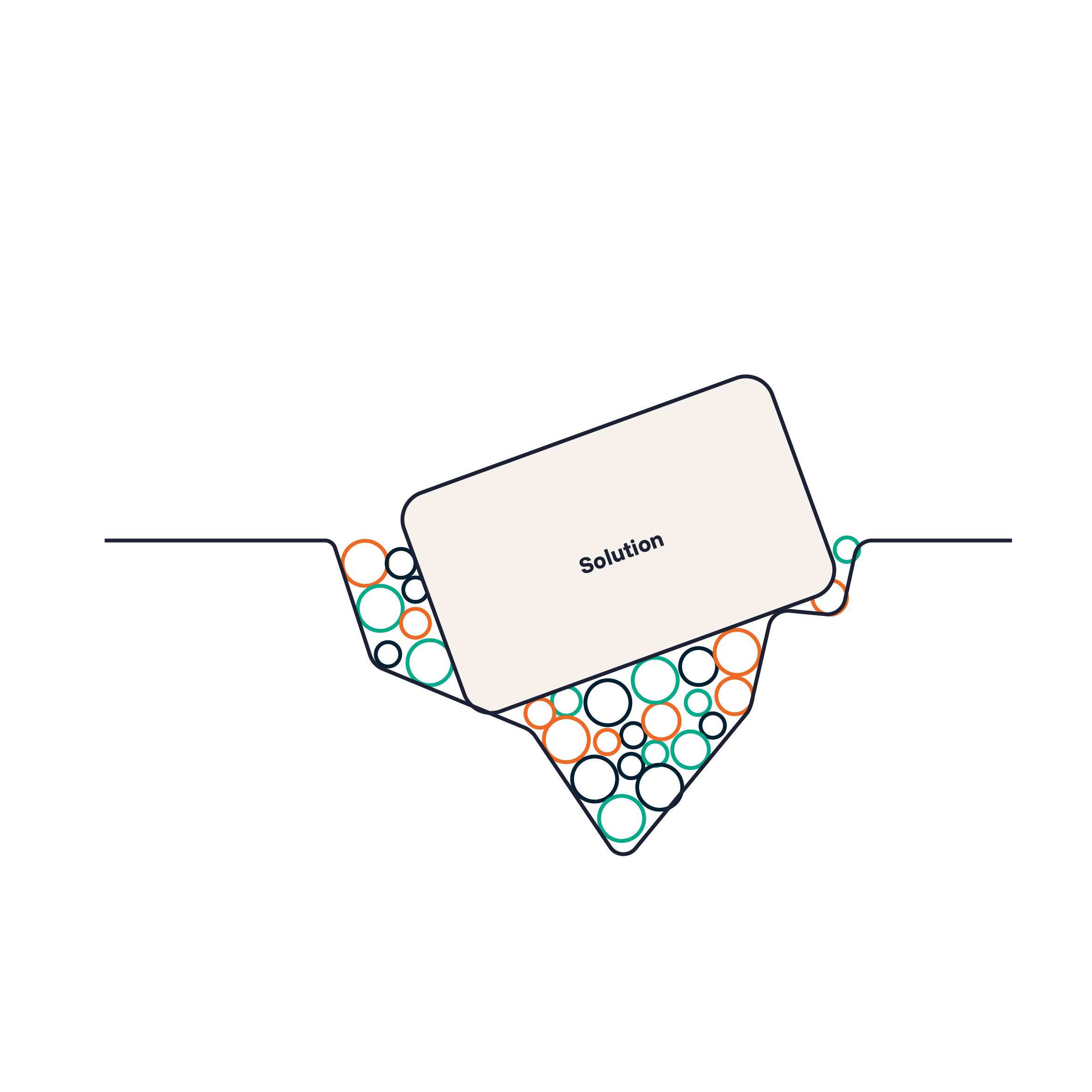
Many organizations rely on established platforms and systems due to their cost-effectiveness and widespread usage. However, since each organization has unique needs, adjustments are often necessary.
Consequently, custom software is frequently developed within these core systems to align with specific business requirements. As a result, these systems become complex and slow to adjust. Or even worse, unmanageable, resulting in the business users having to use spreadsheets and manual processes or create complex workarounds.
The philosophy of maintaining a clean IT core is widely adopted, allowing organizations to leverage the benefits of standard systems while remaining agile and responsive to business demands.

Integrate with new technologies
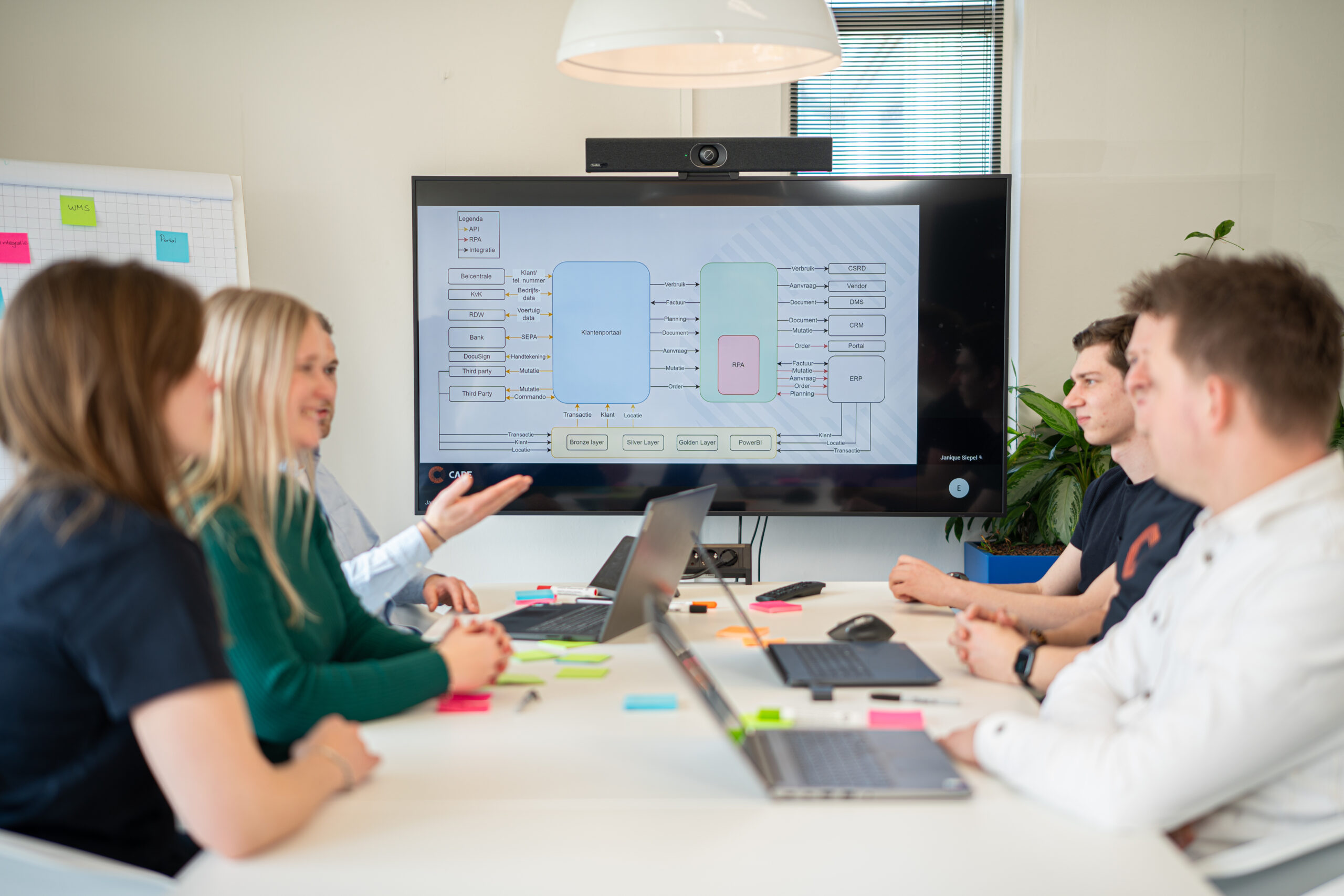
Traditional coding methods often require significant resources and expertise to achieve connectivity. Low-code platforms simplify this process by providing pre-built connectors and integration tools that facilitate smooth and efficient connections with various technologies.
Whether it’s integrating with IoT devices, AI-powered analytics tools, or cloud services, low-code platforms make it easier to incorporate customization and innovations into your existing IT ecosystem.
Adapting to changing business requirements
Customers, employees and vendors are expecting that organizations will change faster than ever. Traditional IT solutions often struggle to keep pace with these changes due to their complexity and rigidity.
Low-code platforms, however, enable rapid development and deployment of applications, allowing your organization to quickly respond to market shifts and emerging opportunities.
This flexibility ensures that your IT solutions remain aligned with your evolving business strategies and operational needs. You can create enterprise applications within days leveraging low-code, instead of months or even years.
Fill in the gaps between your core systems
Standard IT solutions provide a solid foundation but often fall short when it comes to addressing unique business needs and enhancing user experiences. Customizations are necessary to tailor these solutions to specific requirements, but traditional custom coding can be labor-intensive and prone to errors.
Low-code platforms like Mendix offer an efficient alternative, allowing for rapid customization through visual development interfaces and reusable components. This approach not only accelerates the customization process but also ensures higher quality and consistency in the final product.
This allows you to use the core IT for their main advantages, and customize your business processes in between in loosely coupled systems in between. This results in maintainable solutions you can maintain and you don’t depend on the various software vendors to add or maintain your specific customization.
Reducing development costs
Developing custom solutions from scratch is not only time-consuming but also costly. The extensive coding required, coupled with ongoing maintenance and updates, can strain your IT budget.
Low-code platforms help mitigate these costs by streamlining the development process and reducing the need for specialized coding skills and need of experts with different backgrounds; back-end, front-end, infrastructure, security, DevOps engineers, most specialized tasks are automated and embedded in the low-code platform. Therefore, development can be done with one person, instead of a team of experts. Which reduces the costs dramatically.
The visual development environment further facilitates faster application creation, accelerating time-to-market. This approach allows employees to focus more on identifying and addressing business requirements in collaboration with stakeholders, rather than spending too much time on technical solutions that may not fit the business needs. As a result, there is a higher likelihood of getting the solution right the first time.
Are you ready to create a flexible, future‑proof IT landscape?
Many organisations rely on strong core IT systems, but unique processes often create gaps that standard platforms can’t fill. CAPE helps you bridge those gaps by building a flexible IT layer around your core systems, keeping the core clean while enabling agility, integration and efficiency. With low‑code technology, we rapidly deliver custom solutions that streamline workflows, connect systems and adapt to changing business needs without adding complexity to your core.
If you’re ready to modernise your IT landscape and eliminate workarounds, manual processes and system limitations, get in touch with our experts. We’ll assess your challenges and design a tailored approach that strengthens your core systems and supports your organisation’s long‑term digital strategy.